Enterprise Digital Transformation
For organisations running daily operations on legacy applications, spreadsheets and disconnected systems. A clear current-state picture, target capabilities and a staged path that keeps the business running.
When this matters
Operations depend on applications nobody wants to touch, data lives in several places that disagree, and each company or branch has its own way of doing the same job. Every new requirement costs more than it should, and a single large replacement project feels too risky to start.
During employment I worked on modernization programmes with teams across a group of companies: retail store systems, a shared administrative platform and fuel operations. I analysed legacy applications, planned staged migrations and coordinated integration and data migration decisions.
Decisions it helps make
- Which legacy applications to replace, consolidate or keep for now
- What the target platform must cover and what stays outside it
- In what order to modernize, and where to pilot first
- How to sequence integrations with ERP, POS, HR and operational systems
- How to handle data migration and rollout risk

How an engagement could work
- MapA current-state inventory of applications, workflows, integrations and owners, built from interviews and system walkthroughs.
- TargetThe capabilities the organisation needs, the shared platform boundaries and the architecture options, with trade-offs written down.
- StageA modernization roadmap in phases, with pilots, dependencies, migration steps and decision points that management can follow.
A good fit
- Groups with several companies or branches running the same process in different ways
- Operations teams carrying the cost of legacy systems that block new requirements
- Leaders who need a modernization plan they can present and defend to a board
Not a fit
- Organisations seeking a vendor to sell and implement a specific software package
- Projects that only need a single application rebuilt with no wider change
Outside this work
Software licensing, hardware procurement, legal or regulatory sign-off and the build of the systems themselves are outside this work. Delivery support can be discussed separately.
Working together
Scope, format and terms are agreed case by case. The work assumes close access to the people who run the operation day to day.
Questions answered
Do we have to replace everything at once?
Rarely. A staged plan usually works better: pilot where the pain is clearest, prove the approach, then extend it. The roadmap names the decision points between stages.
Can you help us choose between rebuilding and buying software?
I can lay out the options, the requirements each must meet and the trade-offs. The final choice stays with you, and I do not resell any vendor's products.
Are the enterprise case studies on this site available to buy?
No. Those platforms were delivered by teams during my employment and belong to the organisations involved. They show the kind of work I have done, not products I offer.
How do you handle integration with existing systems?
Integration is planned from the start. I build an inventory of systems, data flows and owners, then sequence the integrations so each stage stays workable for the business.
Related work
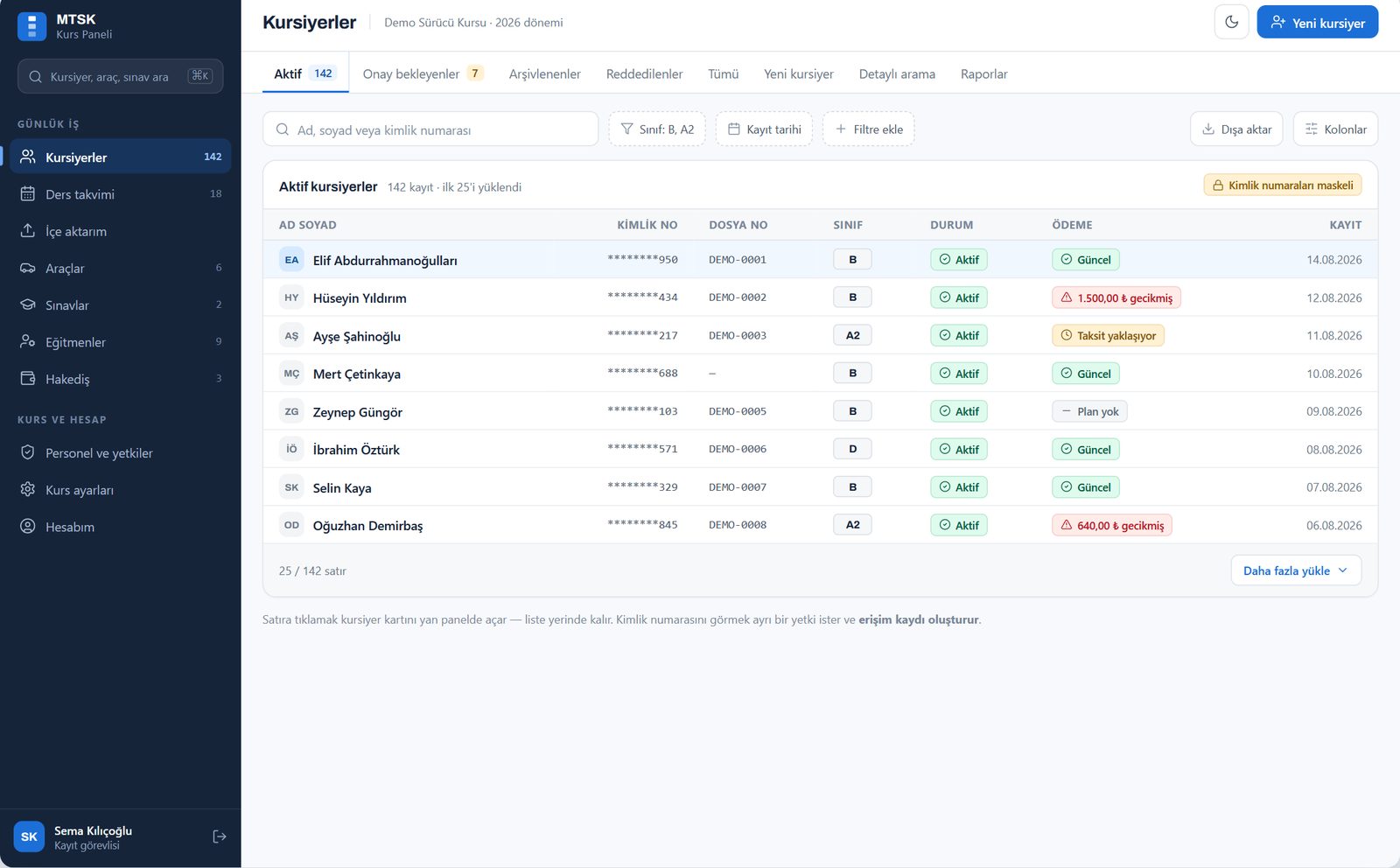 EhliyetProProduct or buildManagement software for Turkish driving schools that brings trainee records, lesson planning, exams, collections, fleet and instructor pay into one system.Retail POS & Cash Register PlatformEnterprise case studyAn integrated cash register and store operations platform for a large cooperative retail network, delivered by an in-house team during my employment.Holding Administrative PlatformEnterprise case studyA shared administrative platform used across the subsidiaries of a holding group, delivered by an in-house team during my employment.Fuel Automation SystemEnterprise case studyA fuel automation system for the sales, reporting and reconciliation of fuel sold to farmer members through a cooperative network, delivered by an in-house team during my employment.Business Process Digitalisation (BPM)ServiceFor internal processes that live in paper forms, email threads and spreadsheets. Process discovery, redesigned flows and clear decision rights before anything is automated.Technical Product DeliveryServiceFor teams with an agreed product scope that now has to become a buildable, releasable system. Feasibility, architecture trade-offs, requirements, vendor coordination and release readiness in one line of sight.
Talk it through
Write a few lines about the situation. The message opens in your own email app, so nothing is sent until you choose to.