Business Process Digitalisation (BPM)
For internal processes that live in paper forms, email threads and spreadsheets. Process discovery, redesigned flows and clear decision rights before anything is automated.
When this matters
Requests travel by email, approvals wait on someone's desk and the latest version of a form is whichever spreadsheet was sent last. Nobody can say where a request is or why it stalled. Automating the current form as it stands would only make the confusion faster.
During employment I worked with teams on a BPM platform that moved paper and Excel-based internal processes into digital request forms, approval flows and task tracking. Early in my career I worked on SharePoint workflow systems for a corporate client. Both taught me to redesign the process before automating it.
Decisions it helps make
- Which processes to digitalise first, and which to retire
- Who approves what, and what happens when someone is absent
- Which data each step needs, and where it should come from
- Which parts can be reusable workflow components across departments
How an engagement could work
- DiscoverWalk through each process with the people who run it, documenting steps, delays, workarounds and decision points.
- RedesignSimplified flows with clear decision rights, exceptions and data requirements, agreed with process owners before any build.
- SpecifyA data model, form and approval definitions and a prioritised automation backlog ready for the chosen platform or team.
A good fit
- Departments where approvals and requests still run on paper, email or Excel
- Organisations planning a BPM or workflow platform and wanting the processes ready first
- Teams with an existing workflow tool that is used inconsistently
Not a fit
- Requests to configure a specific commercial BPM product as a certified partner
- Processes that are regulated in ways requiring formal legal or audit sign-off before redesign
Outside this work
Platform licensing, certified product configuration and legal or audit approval of regulated processes are outside this work. Implementation can be discussed separately.
Working together
Scope, format and terms are agreed case by case. Process owners need to be available, because the redesign depends on their knowledge.
Questions answered
Why not just automate the existing form?
Because the form usually carries old workarounds, unclear approvals and duplicated data. Automating it as it is makes those problems faster. A short redesign first tends to save more time than the automation itself.
Which BPM tools do you work with?
The work is tool-neutral. I have worked on a custom enterprise BPM platform and on SharePoint workflows. The output is a specification that any suitable platform or team can implement.
Can this cover HR or administrative processes?
Yes. Requests, approvals, leave, documents and other administrative flows are typical candidates, as long as the process owners take part in the redesign.
Related work
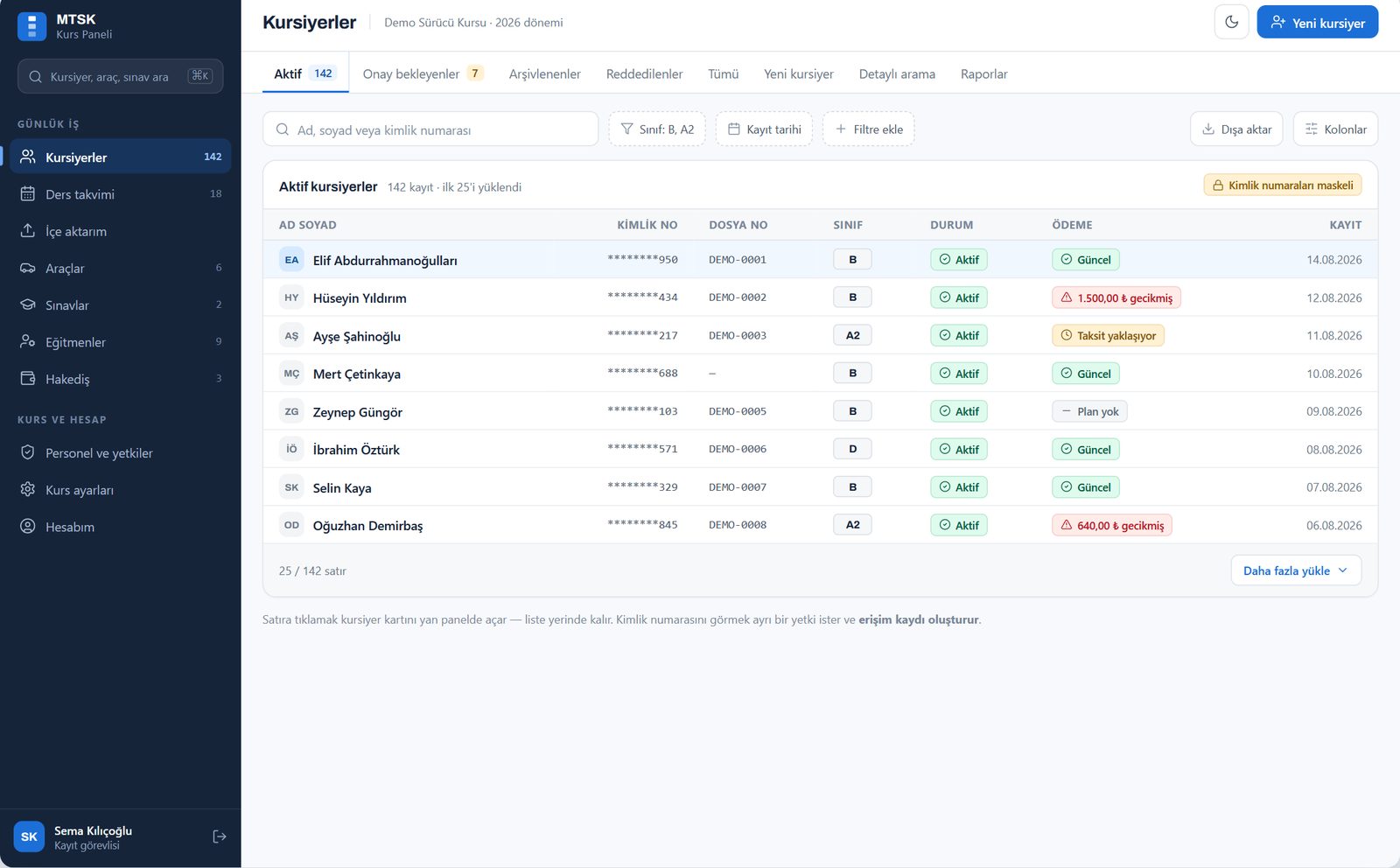 EhliyetProProduct or buildManagement software for Turkish driving schools that brings trainee records, lesson planning, exams, collections, fleet and instructor pay into one system.Business Process Management PlatformEnterprise case studyA business process management platform that moved paper, email and Excel-based requests and approvals into configurable digital workflows, delivered by an in-house team during my employment.HR & Employee Management PortalEnterprise case studyAn HR and employee self-service portal delivered with an external supplier, where our in-house team handled the environment, integrations, acceptance testing and project coordination during my employment.Enterprise Digital TransformationServiceFor organisations running daily operations on legacy applications, spreadsheets and disconnected systems. A clear current-state picture, target capabilities and a staged path that keeps the business running.Product Operating Model & DeliveryServiceFor organisations where decisions stall, requirements arrive half-formed and releases slip. Clear ownership, a backlog people trust and a delivery rhythm that follows the roadmap.
Talk it through
Write a few lines about the situation. The message opens in your own email app, so nothing is sent until you choose to.