Business Process Management Platform
- Type
- Enterprise case study
- Employment context
- Former employment, delivered with teams
- Employer
- Tarım Kredi Teknoloji
- Period
- April 2023 – April 2026 (period of employment)
- My role
- Led product direction and delivery on the employer side: process prioritisation, scope of the configurable workflow model, and coordination of the UAT, pilot and live stages.
- Domain
- Workflow / BPM
- Team
- Designed, built and tested by the in-house software, analysis and testing teams, with process knowledge from business units across the group.
- Evidence
- No figures are published. No screenshots or internal architecture details are shown.
Enterprise project undertaken during my employment. The platform is owned and operated by the respective organisation; my contribution is described below.
This is a case study of an enterprise business process management (BPM) platform delivered through Gönenç Türkekul's former employment at Tarım Kredi Teknoloji. The platform moved internal requests and approvals from paper, email and Excel into configurable digital workflows with forms, approval flows and task tracking on web and mobile. The page explains what made the workflows configurable, why digitising a form does not by itself fix a process and his specific role in prioritisation and delivery. The platform belongs to the group.
Requests on paper and in inboxes
Across the Tarım Kredi group, many internal requests and approvals moved on paper, by email or in spreadsheets. The group's technology company, where I worked, built a business process management platform on top of the shared administrative platform used by the subsidiaries, so that the group's processes could be digitised on a common base.
How processes worked before
Internal processes were managed through paper, email and Excel. Requests could wait without anyone seeing where they stood, and approvals were not handled the same way each time. Process data lived in separate files, so tracking a request across departments was difficult and there was no reliable shared view of how processes were running.
The problem to solve
The aim was not to copy paper forms onto a screen. The group needed a way to define processes once, with clear steps, roles and approvals, and reuse that structure for many different requests. That required understanding how each process really ran, who owned it and where it could be simplified before it was digitised.
What the platform covers
The team built workflow automation with digital request forms, approval flows, parametric process design and task tracking, available on web and mobile. Parametric design means a process is described through settings, such as steps, roles and conditions, rather than written as a new application each time. New workflows can then be added on a reusable structure.
Capabilities in scope
- Parametric process design
- Digital request forms
- Approval flows
- Task assignment and tracking
- Web and mobile access
My role and the team's
The in-house software, analysis and testing teams built the platform, and process owners in different units described how their work actually ran. I led product direction and delivery: deciding which processes to digitise first, setting the scope of the configurable model, and coordinating the testing, pilot and live transitions with business stakeholders.
My part
- Product vision, roadmap and process prioritisation
- Scope of the configurable workflow model
- Coordination of UAT, pilot and live transitions
- Alignment with process owners and senior stakeholders
The team’s part
- Workflow platform design and development
- Process and requirements analysis
- Testing across web and mobile
- Process knowledge from business units
Trade-offs and constraints
The team built a configurable, reusable workflow structure rather than separate forms for each request. That takes more design effort at the start, in return for adding later processes on the same base. A second tension is speed versus redesign: digitising a process that nobody owns, or whose steps are unclear, only moves the confusion onto a screen.
Coverage and intended value
- Documented coverage
- Used to digitise paper-based processes within the group on the shared administrative platform, according to the CV.
- Intended value
- shorter delays, faster task completion, traceable requests and a reusable structure for new internal processes. The sources describe these effects, but no measured baseline is published, so they are presented here as intended value.
What I learned
Digitising a form does not by itself improve a process. The improvement comes from agreeing who owns the process, which steps are necessary and what an approval actually means. Software then makes that agreement visible and repeatable. I now start workflow projects with process ownership and only then move on to screens.


The case in four stages
- BeforeRequests and approvals moved on paper, by email and in Excel, with little traceability.
- DecisionBuild a reusable, configurable workflow model instead of one-off digital forms.
- SystemParametric workflows with forms, approvals and task tracking on web and mobile.
- ChangeProcesses follow defined steps and roles, and each request can be traced from start to finish.
Drawn route of the case. The platform belongs to the organisation, so no screens are shown.
Technical, operational and managerial
Technical
The platform describes processes through parameters: steps, roles, conditions and forms. A workflow engine moves each request through those steps, and dynamic forms let teams collect different data per process without building a new application. Web and mobile access lets approvers act wherever they are.
Operational
The everyday jobs are submitting a request, approving or rejecting it and following up on tasks. Moving these from paper and Excel to defined digital steps gives each request a status and a history, which is what makes a process traceable.
Managerial
My contribution was mainly here: deciding which processes to digitise first, agreeing the scope of the configurable model and working with process owners and senior stakeholders. Standardising how approvals work across units is an organisational change that software supports but cannot decide on its own.
Questions answered
What makes a workflow configurable?
A configurable workflow is described through settings, such as steps, roles, conditions and form fields, rather than written as a new application each time. A new process can then be added on the same structure. The limit is that the process itself must be clear enough to describe.
Why doesn't digitising a form automatically improve the process?
Because a slow or unclear process stays slow and unclear on a screen. Improvement comes from agreeing who owns the process, which steps are necessary and what each approval means. Digital tools make that agreement visible, traceable and repeatable.
How did governance and process ownership change?
The sources do not describe a formal governance model in detail. The general approach was to define each process with clear steps and roles before configuring it, so that ownership became explicit in the workflow itself.
What was Gönenç Türkekul's role?
He led product direction and delivery on the employer side: which processes came first, the scope of the configurable model, and coordination of testing, pilot and live stages. The in-house software, analysis and testing teams built the platform.
Related work
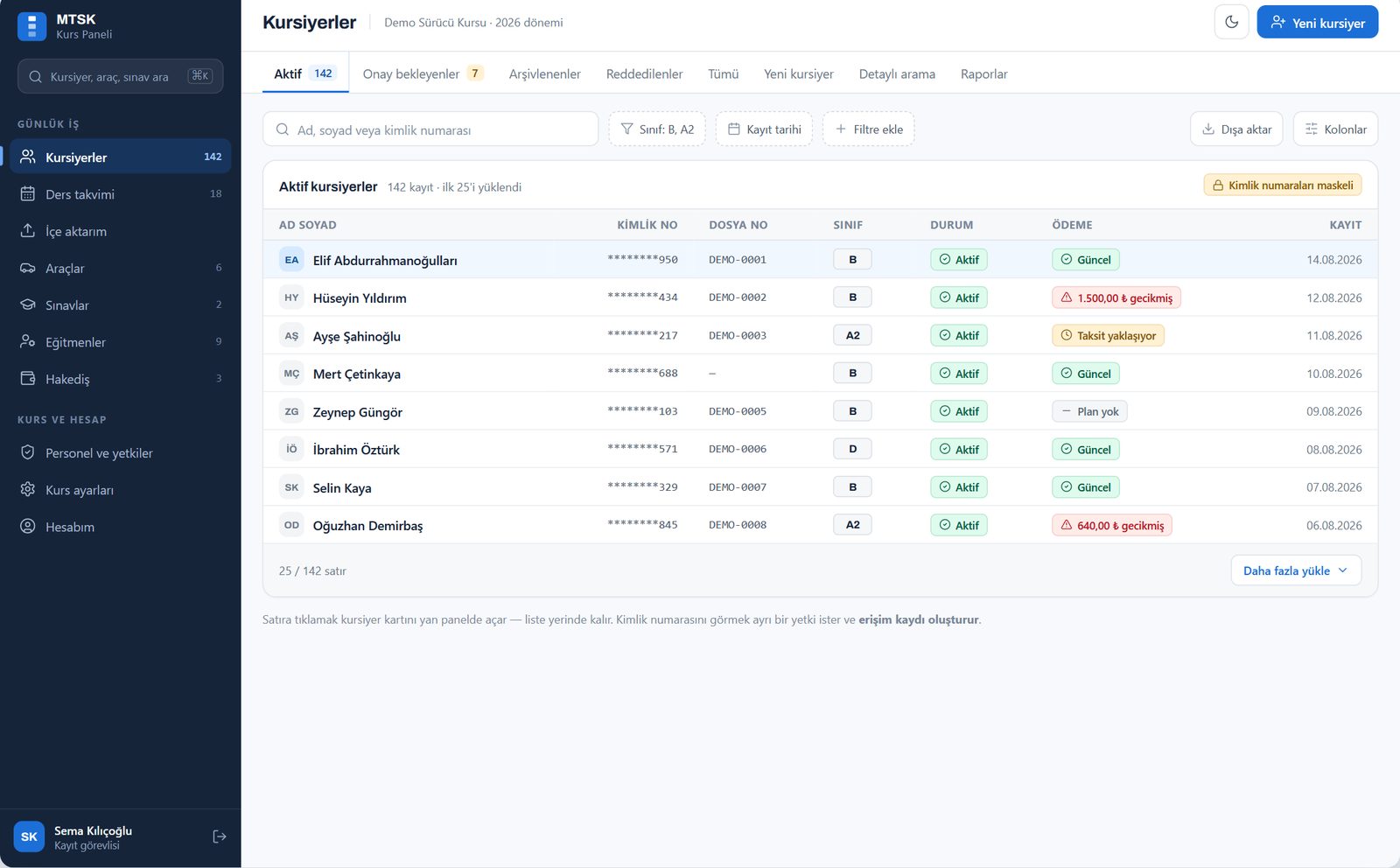 EhliyetProProduct or buildManagement software for Turkish driving schools that brings trainee records, lesson planning, exams, collections, fleet and instructor pay into one system.Holding Administrative PlatformEnterprise case studyA shared administrative platform used across the subsidiaries of a holding group, delivered by an in-house team during my employment.HR & Employee Management PortalEnterprise case studyAn HR and employee self-service portal delivered with an external supplier, where our in-house team handled the environment, integrations, acceptance testing and project coordination during my employment.Business Process Digitalisation (BPM)ServiceFor internal processes that live in paper forms, email threads and spreadsheets. Process discovery, redesigned flows and clear decision rights before anything is automated.Product Strategy & MVP DefinitionServiceFor teams with more feature requests than clarity. A structured way to name the customer problem, frame the product opportunity and decide what belongs in the first release worth shipping.Product Operating Model & DeliveryServiceFor organisations where decisions stall, requirements arrive half-formed and releases slip. Clear ownership, a backlog people trust and a delivery rhythm that follows the roadmap.
Facing a similar change?
If your organisation is planning a change like this one, I am glad to talk it through.