Product Strategy & MVP Definition
For teams with more feature requests than clarity. A structured way to name the customer problem, frame the product opportunity and decide what belongs in the first release worth shipping.
When this matters
A product idea has support but no shared definition. Stakeholders describe different customers, the backlog grows faster than anyone can rank it, and the first release keeps getting bigger. Building starts before anyone has agreed what the product must prove, so every review reopens the same arguments.
I have defined product vision, roadmaps and MVP scopes for enterprise platforms used across a group of companies, and for my own products. The work is the same at both scales: make the problem explicit, then make the scope decision visible and defensible.
Decisions it helps make
- Which customer and which problem the product serves first
- What the product must prove in its first release, and what can wait
- Which strategic option to pursue when several look plausible
- How to rank competing stakeholder requests against product outcomes
- When the evidence is strong enough to commit engineering time

How an engagement could work
- DiagnoseInterviews with the people who own the problem, a review of existing material and a short written diagnosis of what is known, assumed and disputed.
- FrameProduct outcomes, target users and strategic options set side by side, with the trade-offs of each written down.
- ValidateA focused discovery plan: the hypotheses that matter most, how to test them and what result would change the plan.
- DecideAn MVP boundary, an outcome-led roadmap and a decision record the team can return to when scope pressure comes back.
A good fit
- Founders shaping a first product who need an outside view before they commit to a build
- Enterprise teams with a funded initiative but no agreed scope
- Product owners who need to defend a smaller first release to senior stakeholders
Not a fit
- Teams looking for a ready-made business plan or financial forecast
- Requests to validate a decision that has already been made and cannot change
Outside this work
Market sizing studies, brand naming, fundraising material and software development are not part of this work. Where a build follows, it is scoped separately.
Working together
Scope, format and terms are agreed case by case. Work can be a short focused diagnosis or a longer period alongside an existing team.
Questions answered
What is an MVP boundary?
It is a written line between what the first release must include to test the core assumption and what can follow later. It names the excluded items and the reason for each, so the decision survives the next round of requests.
Do you work with early-stage founders as well as large organisations?
The approach applies to both. My experience covers enterprise platforms delivered with teams during employment and products I am developing myself, so I am used to very different levels of structure and budget.
Will this tell us whether the product will succeed?
No one can promise that. The aim is to make the riskiest assumptions explicit and test them early, so that the decision to invest is based on evidence rather than enthusiasm.
Does the work include building the product?
Not by default. Strategy and MVP definition stand on their own. If delivery support is needed afterwards, it is discussed and agreed as a separate piece of work.
Related work
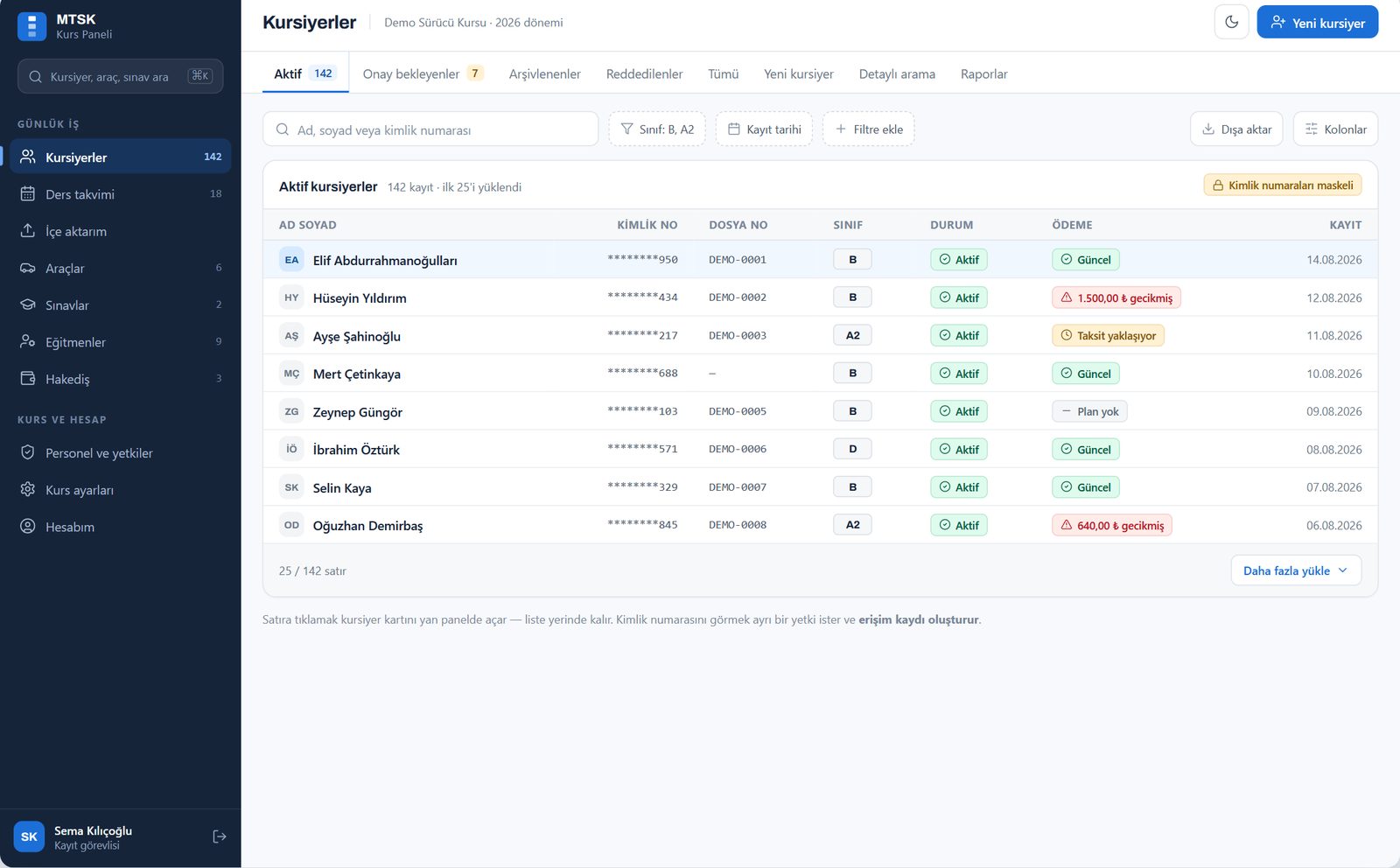 EhliyetProProduct or buildManagement software for Turkish driving schools that brings trainee records, lesson planning, exams, collections, fleet and instructor pay into one system.
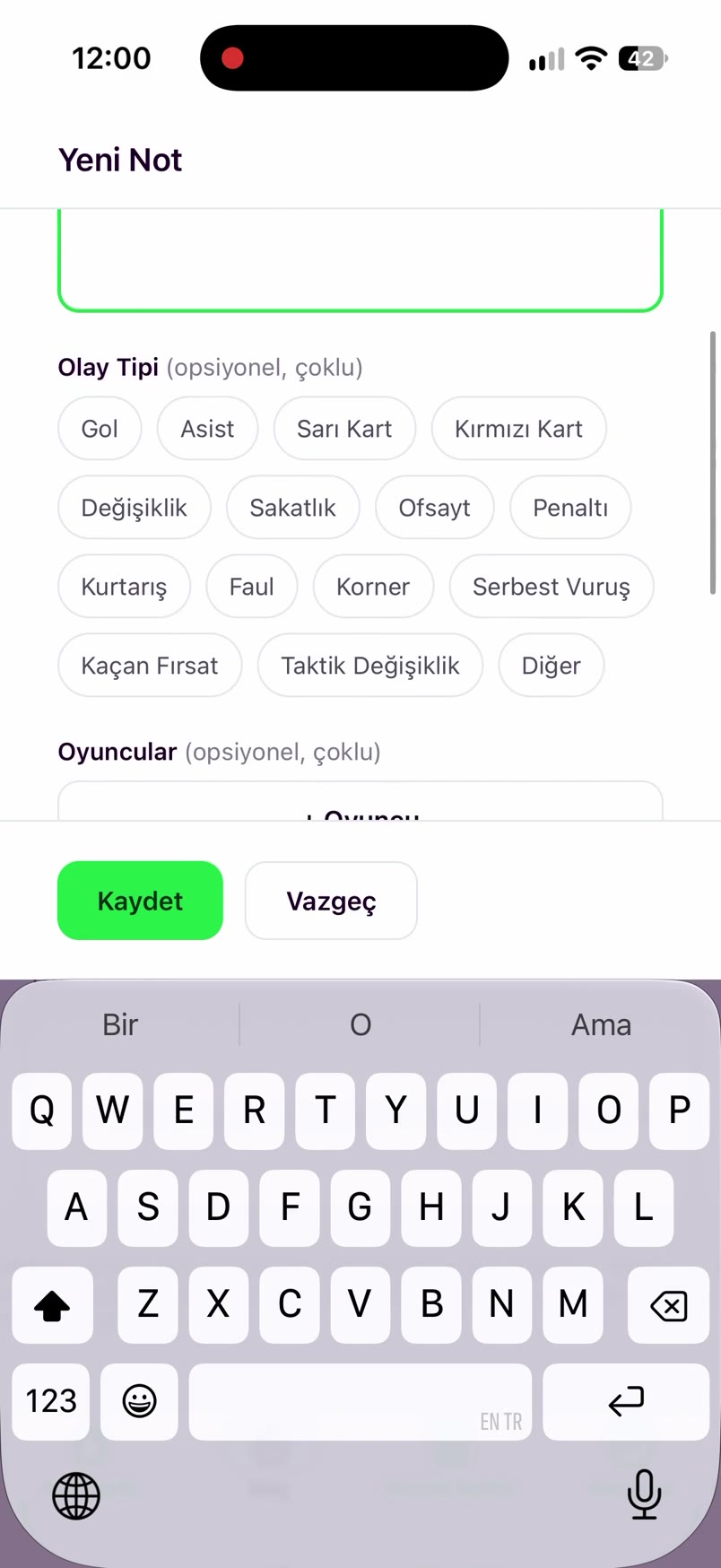 NotkolikProduct or buildA note-taking app for football commentators that stamps every note with the match minute, so observations made during a game can be found again on air.Holding Administrative PlatformEnterprise case studyA shared administrative platform used across the subsidiaries of a holding group, delivered by an in-house team during my employment.Customer-Facing Mobile ApplicationEnterprise case studyA customer-facing mobile application for a cooperative retail business, giving customers one channel for campaigns, product information and notifications, delivered by an in-house team during my employment.Product Operating Model & DeliveryServiceFor organisations where decisions stall, requirements arrive half-formed and releases slip. Clear ownership, a backlog people trust and a delivery rhythm that follows the roadmap.Technical Product DeliveryServiceFor teams with an agreed product scope that now has to become a buildable, releasable system. Feasibility, architecture trade-offs, requirements, vendor coordination and release readiness in one line of sight.
Talk it through
Write a few lines about the situation. The message opens in your own email app, so nothing is sent until you choose to.