Product Operating Model & Delivery
For organisations where decisions stall, requirements arrive half-formed and releases slip. Clear ownership, a backlog people trust and a delivery rhythm that follows the roadmap.
When this matters
The strategy is approved, but delivery does not reflect it. Nobody is sure who decides scope, requirements reach developers incomplete, testing finds problems late and every release date is a negotiation. Teams work hard, yet senior management cannot see whether the work is moving the product forward.
During employment I led an Agile transformation, introduced Jira across the company, set up an analysis unit with documentation standards and restructured analysis, testing and software teams. That experience shapes how I approach an operating model: fit it to the culture, then make it measurable.
Decisions it helps make
- Who owns product, scope and acceptance decisions
- What a requirement must contain before development starts
- How the backlog is governed and how priorities change
- Which release rhythm suits the team and the business
- Which product KPIs show whether shipped work creates value
How an engagement could work
- ObserveTime with the teams and their tools to see how decisions, requirements and releases actually move today.
- DesignA role and decision model, requirements and acceptance standards, and a backlog governance routine drafted with the people who will use them.
- IntroduceChanges rolled out in stages, starting with the team where the friction is highest, with short reviews after each step.
- MeasureA small set of delivery and product measures and a review cadence, so the model can be adjusted on evidence.
A good fit
- Product and engineering groups that have grown faster than their processes
- Organisations introducing Agile practices for the first time and wanting them to fit local culture
- Leaders who need clearer reporting from delivery to management or the board
Not a fit
- Teams looking for a certification programme or a formal framework audit
- Situations where the real need is ongoing interim management with line authority
Outside this work
HR decisions, hiring on the client's behalf, tool licensing and formal Agile certification are outside this work. Ongoing product leadership roles would be discussed separately and only where availability is confirmed.
Working together
Scope, format and terms are agreed case by case. The work usually runs alongside the existing team rather than replacing anyone.
Questions answered
Is this an Agile coaching service?
It overlaps, but the focus is wider. Agile ceremonies are only useful when decision ownership, requirement quality and release planning are clear. I start from those, then choose the practices that fit.
Do you bring a fixed framework?
No. I use familiar building blocks such as Scrum, backlog refinement and acceptance criteria, and adapt them. A model the team rejects will not last, however correct it looks on paper.
Can you help with product KPIs?
Yes, as part of the operating model. I help define a KPI tree, decide what to measure and how often to review it. Building the analytics stack itself is scoped separately.
Related work
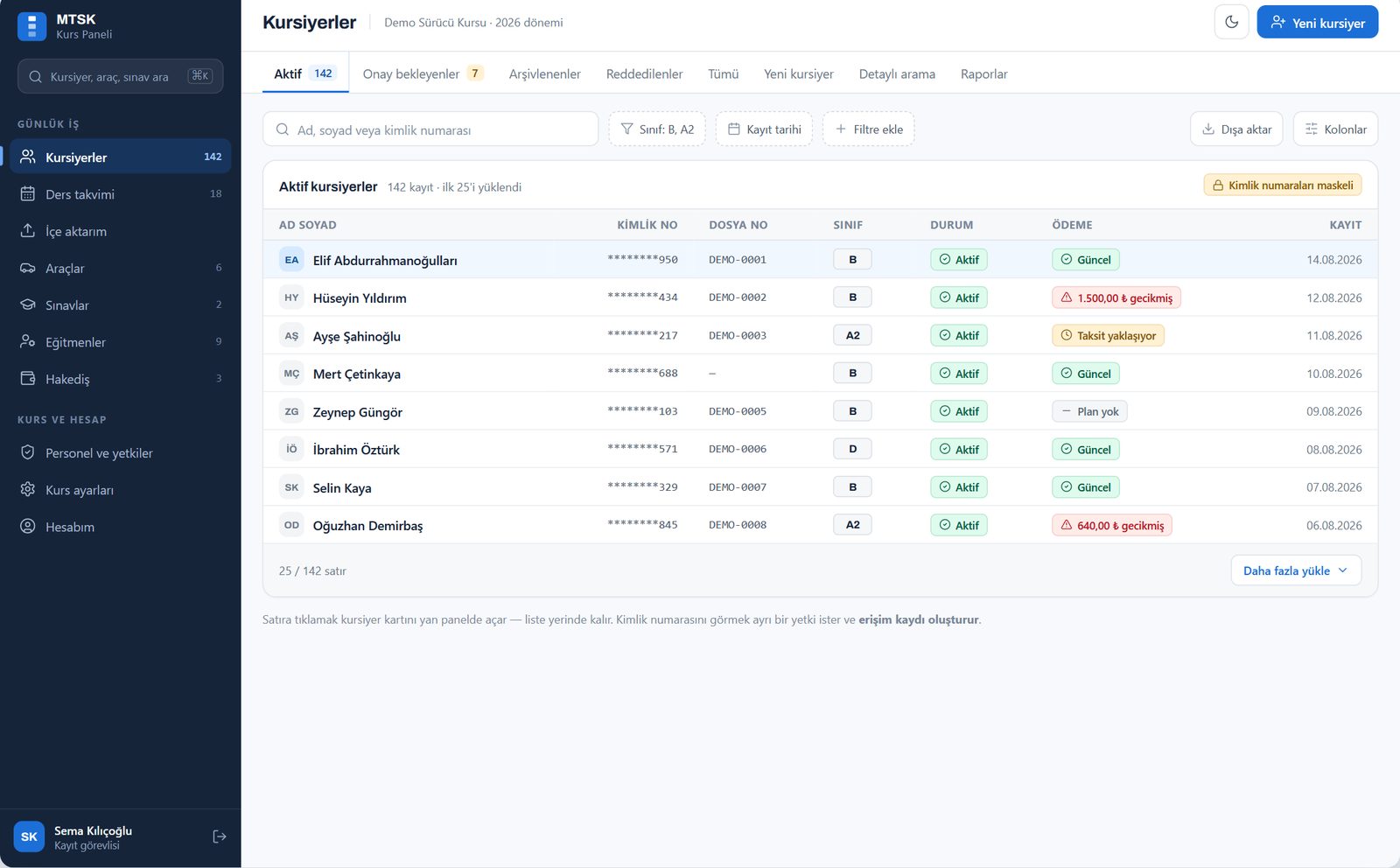 EhliyetProProduct or buildManagement software for Turkish driving schools that brings trainee records, lesson planning, exams, collections, fleet and instructor pay into one system.Business Process Management PlatformEnterprise case studyA business process management platform that moved paper, email and Excel-based requests and approvals into configurable digital workflows, delivered by an in-house team during my employment.HR & Employee Management PortalEnterprise case studyAn HR and employee self-service portal delivered with an external supplier, where our in-house team handled the environment, integrations, acceptance testing and project coordination during my employment.Holding Administrative PlatformEnterprise case studyA shared administrative platform used across the subsidiaries of a holding group, delivered by an in-house team during my employment.Product Strategy & MVP DefinitionServiceFor teams with more feature requests than clarity. A structured way to name the customer problem, frame the product opportunity and decide what belongs in the first release worth shipping.Technical Product DeliveryServiceFor teams with an agreed product scope that now has to become a buildable, releasable system. Feasibility, architecture trade-offs, requirements, vendor coordination and release readiness in one line of sight.
Talk it through
Write a few lines about the situation. The message opens in your own email app, so nothing is sent until you choose to.