Technical Product Delivery
For teams with an agreed product scope that now has to become a buildable, releasable system. Feasibility, architecture trade-offs, requirements, vendor coordination and release readiness in one line of sight.
When this matters
The business knows what it wants, but nobody has checked whether it can be built within the time, budget and existing systems. Requirements are written for people who already know the context, vendors interpret them differently, and the release date arrives before anyone has agreed how to test, monitor or roll back.
I started as a developer, built .NET backends and led architecture work as a co-founder, then led enterprise delivery with teams through MVP, alpha, beta, UAT, pilot and live stages. I sit between business intent and engineering detail, and translate in both directions.
Decisions it helps make
- Whether the scope is feasible within the given constraints
- Which architecture option fits, and which trade-offs are acceptable
- Which non-functional requirements are essential for the first release
- How work is split between internal teams and vendors
- Whether the product is ready to release, and on what conditions

How an engagement could work
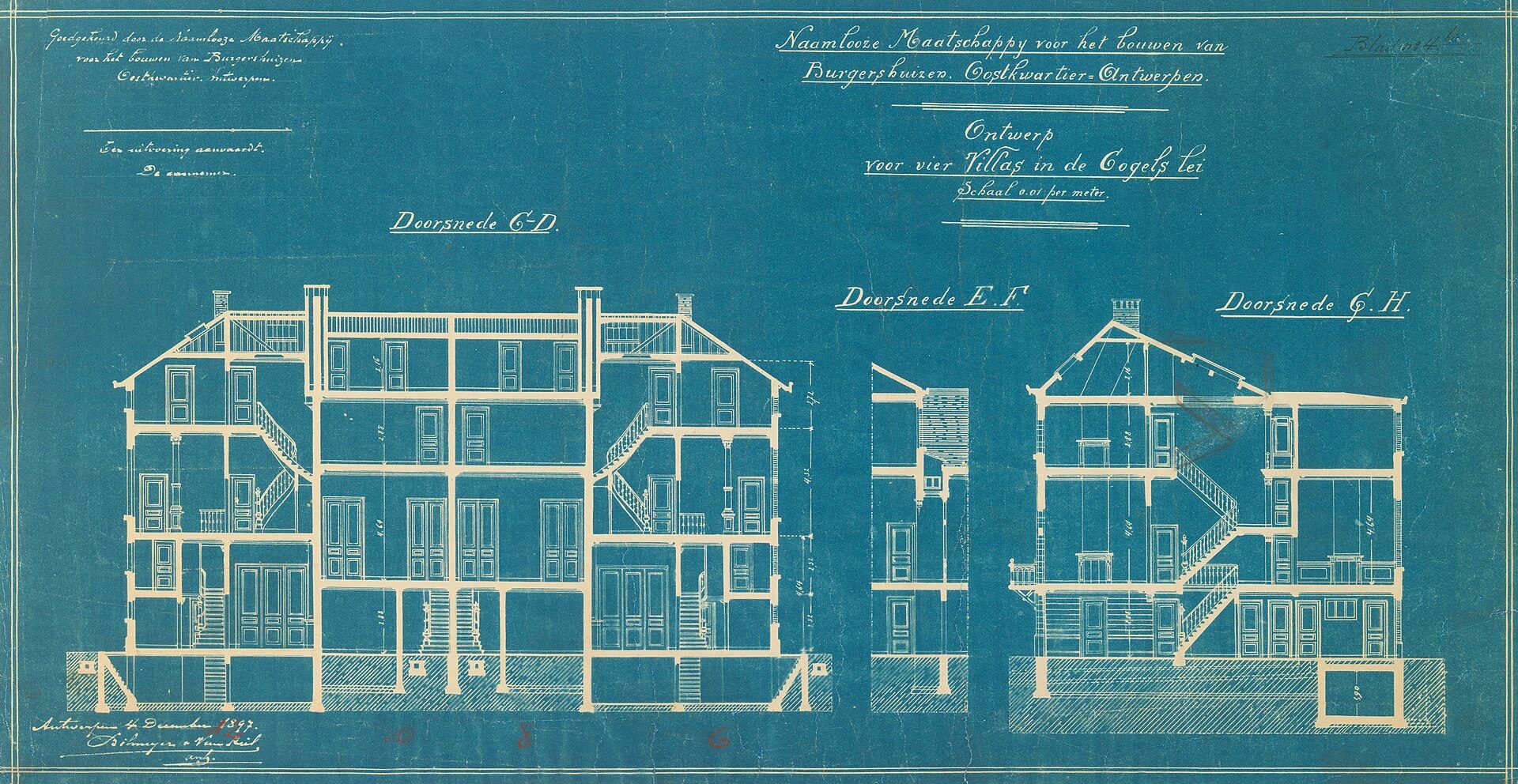
- AssessReview the scope, existing systems and constraints, and write a feasibility assessment with the main technical risks.
- ShapeArchitecture options, non-functional requirements and a trade-off register agreed with engineering and business owners.
- SpecifyA PRD or SRS, user stories and acceptance criteria, plus an execution roadmap and a coordination model for teams and vendors.
- Prepare releaseA launch checklist covering test coverage, reliability risks, monitoring and rollback expectations, reviewed before go-live.
A good fit
- Business-led initiatives that need a technical counterpart before committing to a build
- Programmes with several vendors or teams that need one coherent specification
- Teams approaching a first release without a clear go-live and rollback plan
Not a fit
- Requests for a security audit, penetration test or formal certification
- Projects that only need extra developers added to an existing team
Outside this work
Security certification, penetration testing and compliance audits are outside this work. Any hands-on coding is a separate, explicitly agreed scope.
Working together
Scope, format and terms are agreed case by case. The work assumes access to the engineering team or vendors who will build the system.
Questions answered
Do you write code as part of this?
I have a development background and still build my own products, but coding is not included by default. If hands-on development is needed, it is agreed separately with its own scope.
Is the release-readiness review a security certification?
No. It checks whether testing, monitoring, support and rollback are planned well enough to release with confidence. Security testing and certification need a specialist.
Can you work with our existing vendors?
Yes. Coordinating vendors and internal teams around one specification is a large part of this work. I have managed vendor dependencies and UAT in enterprise programmes.
Related work
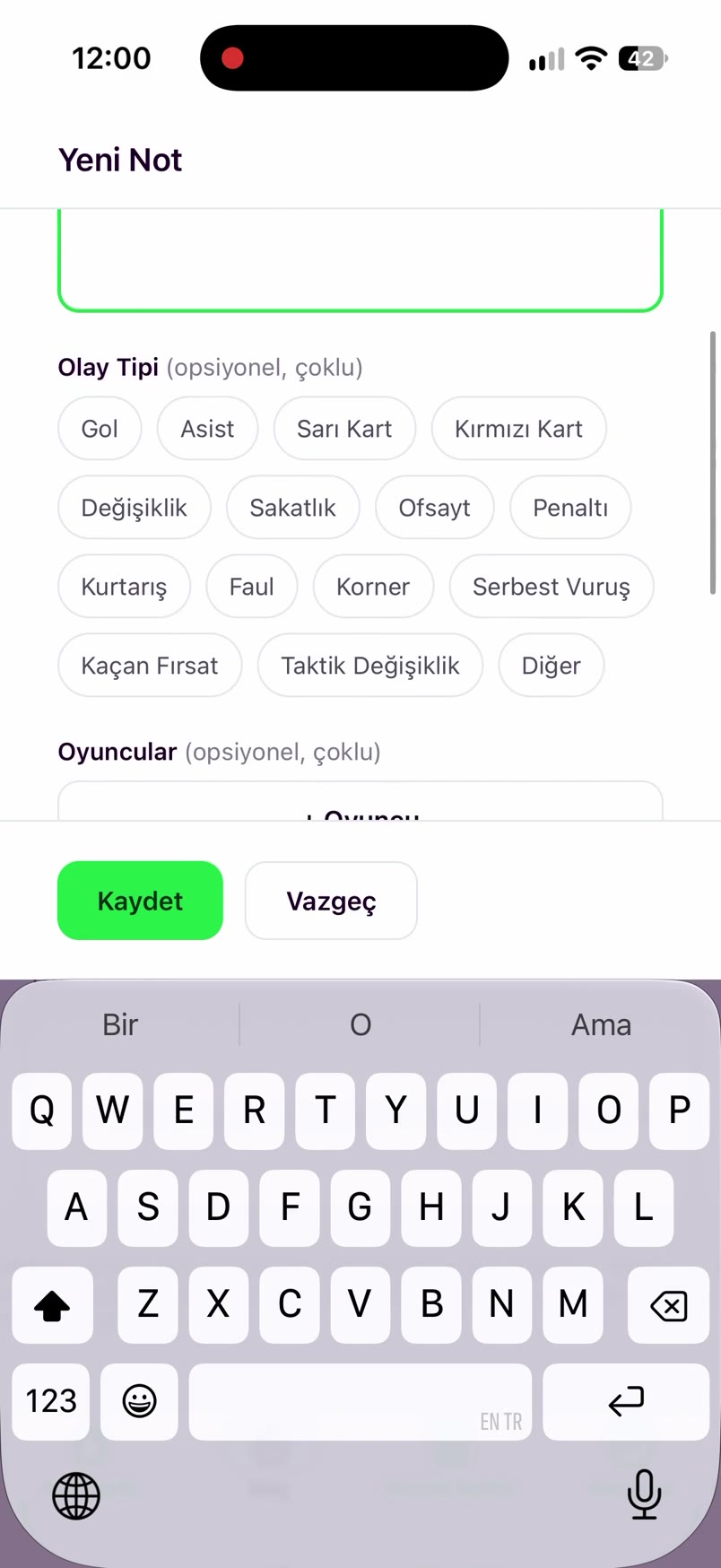 NotkolikProduct or buildA note-taking app for football commentators that stamps every note with the match minute, so observations made during a game can be found again on air.
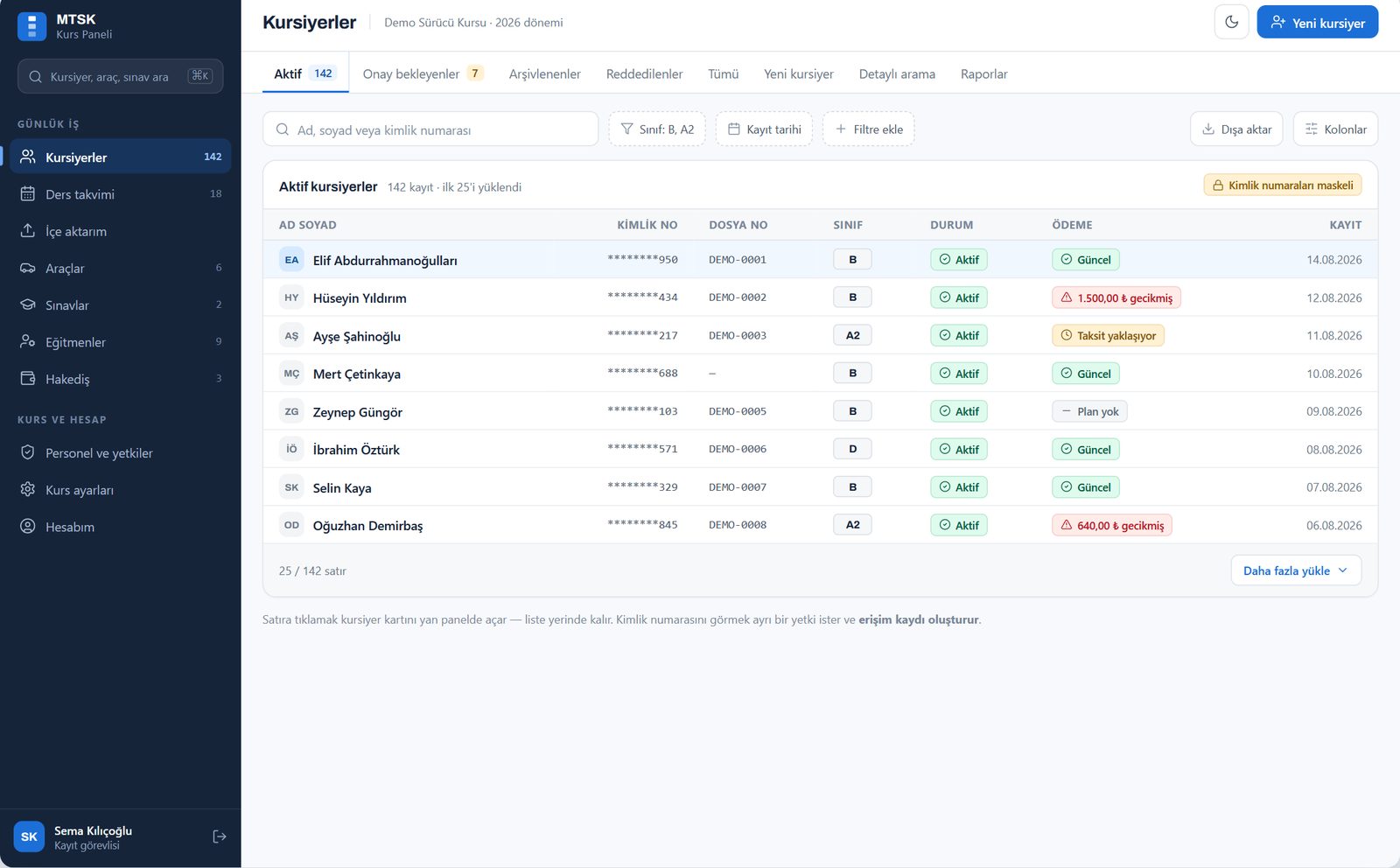 EhliyetProProduct or buildManagement software for Turkish driving schools that brings trainee records, lesson planning, exams, collections, fleet and instructor pay into one system.Retail POS & Cash Register PlatformEnterprise case studyAn integrated cash register and store operations platform for a large cooperative retail network, delivered by an in-house team during my employment.Fuel Automation SystemEnterprise case studyA fuel automation system for the sales, reporting and reconciliation of fuel sold to farmer members through a cooperative network, delivered by an in-house team during my employment.HR & Employee Management PortalEnterprise case studyAn HR and employee self-service portal delivered with an external supplier, where our in-house team handled the environment, integrations, acceptance testing and project coordination during my employment.Product Strategy & MVP DefinitionServiceFor teams with more feature requests than clarity. A structured way to name the customer problem, frame the product opportunity and decide what belongs in the first release worth shipping.Enterprise Digital TransformationServiceFor organisations running daily operations on legacy applications, spreadsheets and disconnected systems. A clear current-state picture, target capabilities and a staged path that keeps the business running.
Talk it through
Write a few lines about the situation. The message opens in your own email app, so nothing is sent until you choose to.