AI-Assisted Product & Engineering Workflows
For leaders and teams exploring assistants, coding agents and automation. Finding the workflows where AI earns its place, and designing them with human approval gates and quality checks.
When this matters
People across the team are trying AI assistants on their own. Some results are impressive, some are wrong in ways nobody notices until later, and there is no shared view of where AI should be used, who checks its output or how the work is documented. Leadership wants value without losing control of quality.
I use AI coding agents and assistant skills in my own product and website work, and I maintain the AI Skills directory on this site, a curated set of Claude Code skills with Turkish guides. I combine that hands-on practice with a product manager's question: where does this actually help?
Decisions it helps make
- Which workflows are worth assisting with AI, and which are not
- Where a human must review or approve before work moves on
- How AI-assisted work is documented so others can follow it
- How output quality is evaluated over time
- Which experiments to run first, and what would count as success

How an engagement could work
- AuditMap the team's current workflows and where AI is already in use, formally or informally.
- ScreenScore candidate use cases on value, risk and effort, and write the business hypothesis behind each.
- DesignAssisted workflows with approval gates, documentation patterns and an evaluation routine, tried first on a small scope.
A good fit
- Product and engineering teams adopting coding agents or assistants
- Leaders who want a considered view of AI value before investing further
- Teams that already use AI informally and want shared rules
Not a fit
- Requests to train or fine-tune machine learning models
- Projects needing a regulatory or legal opinion on AI use
Outside this work
Model training, data science work, legal or regulatory advice on AI and procurement of AI tools are outside this work.
Working together
Scope, format and terms are agreed case by case. Experiments are kept small so the team can judge results before going further.
Questions answered
What is the AI Skills directory?
It is a section of this site listing Claude Code skills by various authors, each credited, with Turkish guides I write so Turkish-speaking teams can understand and install them. It shows the tools I work with, not an AI product of my own.
Do you build AI products or train models?
No. This work is about how product and engineering teams use AI tools in their daily workflows. Model training and data science are outside its scope.
Will AI replace part of our team?
That is not the aim of this work. The focus is on where assistance improves quality or speed while people keep responsibility for decisions and approvals.
Related work
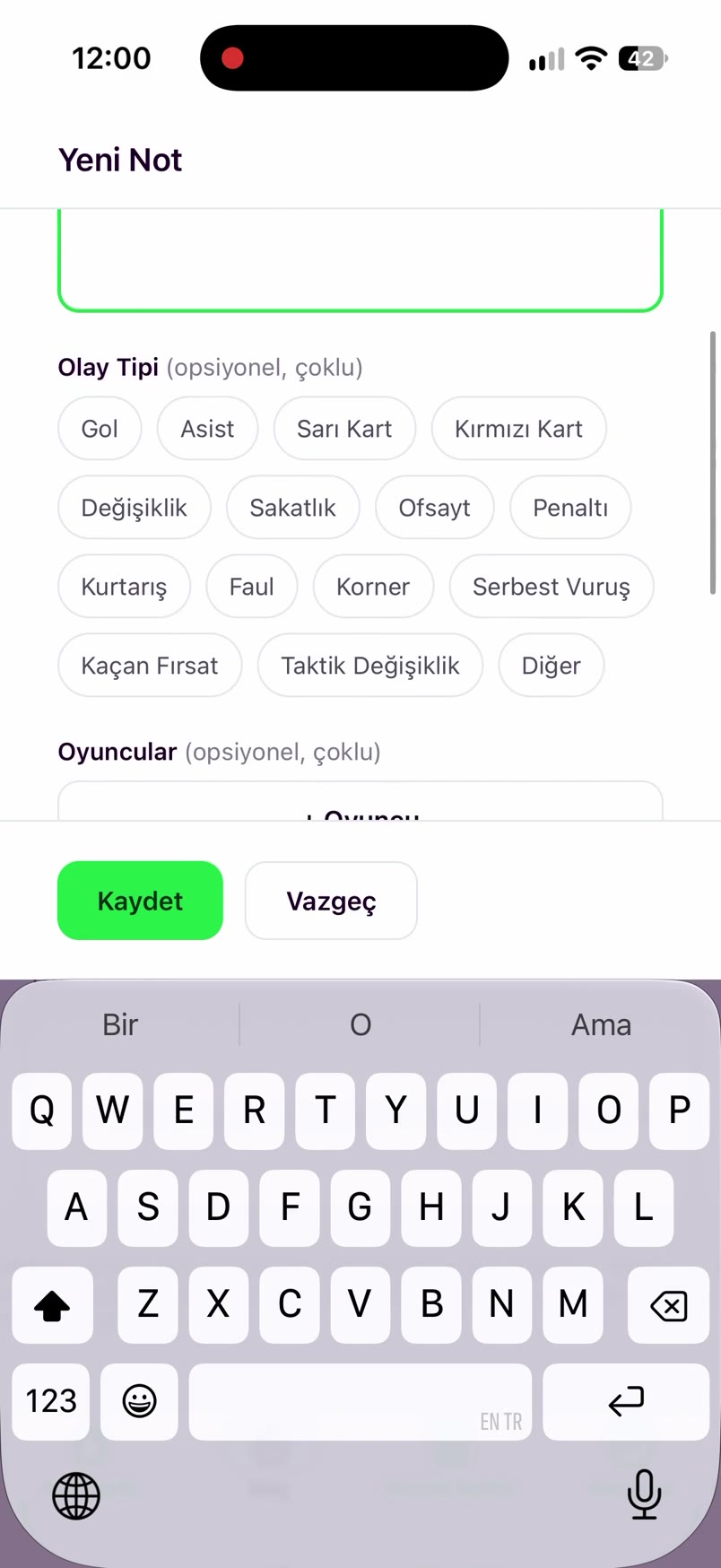 NotkolikProduct or buildA note-taking app for football commentators that stamps every note with the match minute, so observations made during a game can be found again on air.
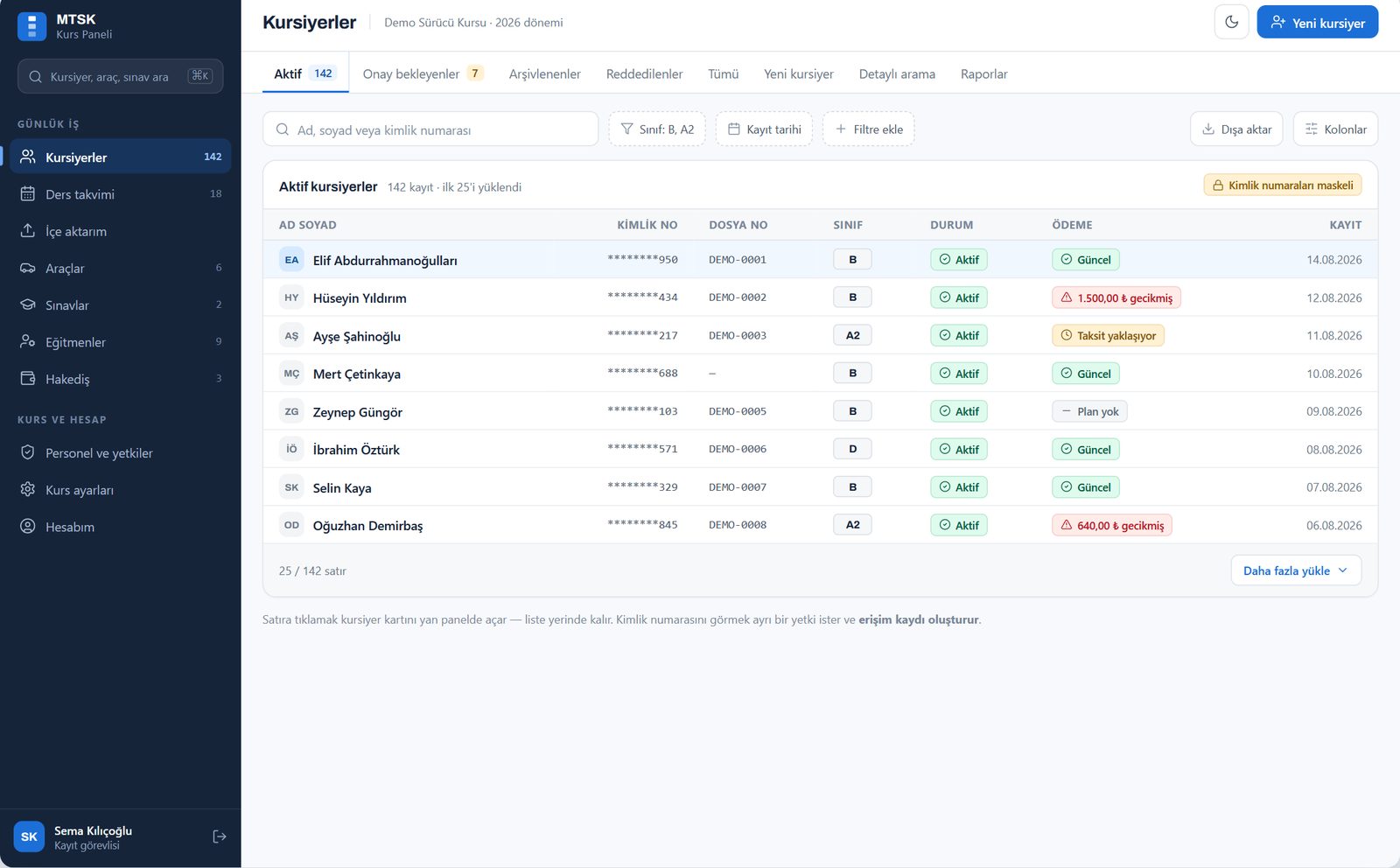 EhliyetProProduct or buildManagement software for Turkish driving schools that brings trainee records, lesson planning, exams, collections, fleet and instructor pay into one system.Technical Product DeliveryServiceFor teams with an agreed product scope that now has to become a buildable, releasable system. Feasibility, architecture trade-offs, requirements, vendor coordination and release readiness in one line of sight.Product Operating Model & DeliveryServiceFor organisations where decisions stall, requirements arrive half-formed and releases slip. Clear ownership, a backlog people trust and a delivery rhythm that follows the roadmap.
Talk it through
Write a few lines about the situation. The message opens in your own email app, so nothing is sent until you choose to.